
Faced with diverse needs for custom self-adhesive stickers, many users often find themselves in a dilemma of “vague design, difficulty in material selection, and unclear printing.” This article comprehensively analyzes the design key points, material selection, printing techniques, and 25-year trends in the customization process, helping you create clear, durable, and attractive custom stickers.
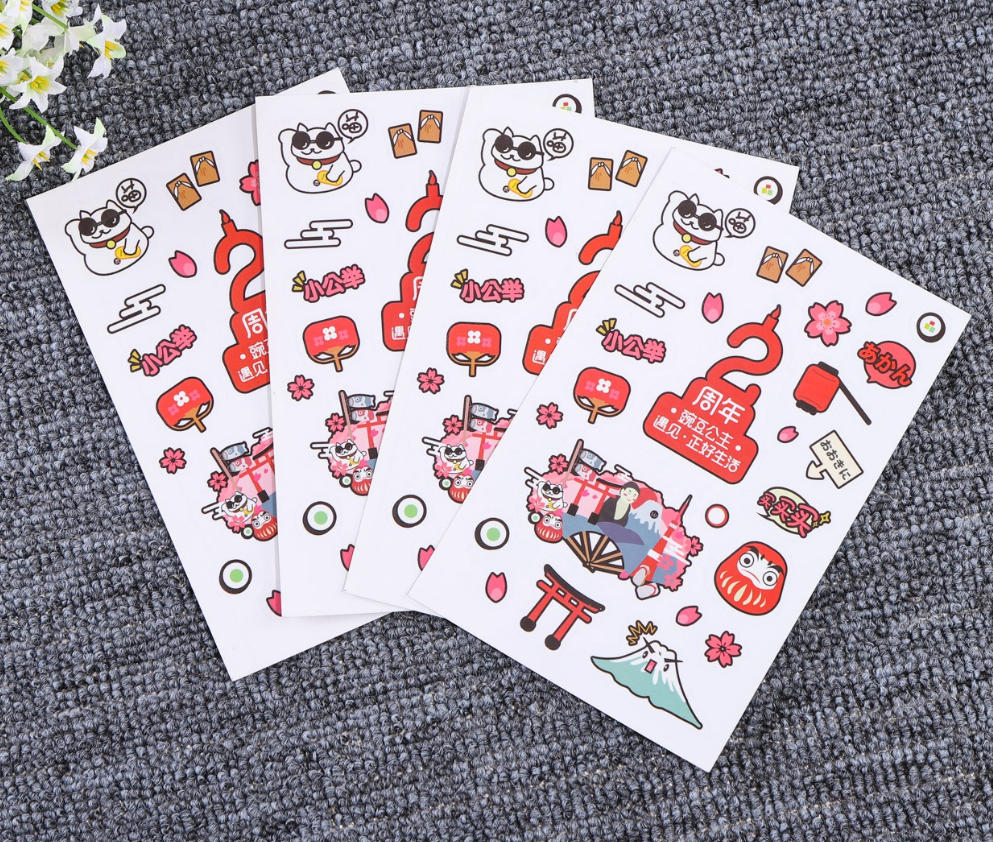
Custom self-adhesive stickers should focus on clear design drafts, material selection suitable for the scenario, and printing technology. Prioritize waterproof and wear-resistant materials and ensure printing accuracy, especially suitable for high-touch environments such as takeout sealing and baking packaging.
1. Three Core Elements in the Design Stage of Custom Self-Adhesive Stickers
Design is the crucial first step before customizing stickers. First, a clear design draft must be provided, especially for logos or QR codes. A resolution of ≥300dpi is recommended, and vector graphics (such as AI, EPS, or PDF formats) are preferred. Second, the design should be appropriate for the usage environment. For example, takeout sealing stickers should avoid large areas obscuring the product, while baking food stickers should be simple and easily identifiable.
Furthermore, color management is also crucial, as color difference in printing is a common problem. 1. **Customization:** It is recommended to use standard CMYK color values and confirm with the manufacturer whether they support Pantone spot color printing, especially when brand color requirements are strict, as this effectively reduces the risk of color difference.
2. **Adhesive Material Selection:** How to Choose for Different Scenarios?
There are various choices for the base material of self-adhesive stickers, commonly including coated paper, synthetic paper, PVC, and transparent PET. Coated paper is suitable for short-term use scenarios such as promotional stickers; synthetic paper is water and oil resistant, suitable for food packaging and takeout sealing; PVC material has good ductility, suitable for curved surfaces such as glass bottles.
Especially in the baking and takeout industries, it is recommended to choose waterproof and oil-resistant materials to ensure that the stickers do not easily peel off or become blurred during transportation or storage. In addition, lamination processes (such as matte film and glossy film) can be selected to enhance wear resistance and improve the overall texture.
3. **Printing and Process Control:** Key Aspects to Ensure Quality
Printing accuracy is crucial to the texture of the sticker. Choose a qualified printing manufacturer and confirm whether they have high-definition digital printing equipment. In addition, small-batch trial printing is essential, especially for first-time collaborations or when dealing with complex designs.
For QR code stickers, extra attention needs to be paid to the success rate of scanning. The printing size should not be too small, and the edges must be clear and free of jagged edges. If multiple uses are required (such as in-store promotional labels), it is recommended to choose removable adhesive backing for easy replacement and no residue.
4. New Trends and Compliance Requirements for Customized Self-Adhesive Stickers in 2025
With the update of the “Packaging Labeling and Marking Management Measures” in 2025, food labels (including baking and takeout labels) have higher requirements for material and adhesive safety. Customized stickers must ensure the use of environmentally friendly materials that comply with FDA and GB standards.
Furthermore, with the increasingly widespread application of QR codes, customized stickers that support dynamic content (such as scanning to update content) are becoming increasingly popular with brands. Personalized customization is also gradually becoming a trend, such as supporting flexible printing based on order quantity to avoid inventory backlog.
5. Avoiding Common Misconceptions and Improving Customization Efficiency
Misconception 1: Ignoring the Usage Environment of Stickers For example, sealing stickers for refrigerated baked goods, if not made of a material resistant to cold shrinkage, are prone to peeling or wrinkling.
Misconception 2: Pursuing low prices while neglecting quality. Some manufacturers use low-adhesion adhesives or cheap paper, resulting in stickers that don’t last long.
Misconception 3: Not understanding minimum order quantities. Different printing processes have different minimum order quantities; communicating in advance can avoid duplicate orders and wasted costs.
Customizing self-adhesive stickers requires comprehensive consideration of design, materials, printing, and compliance. Prioritize ensuring clear patterns, consistent colors, and materials suitable for the application scenario, and pay attention to new regulations and trends in 2025. Conduct trial printing tests before customization and choose an experienced printing service provider to achieve truly efficient and practical customization results.
How to choose suitable self-adhesive stickers for takeout sealing? Prioritize waterproof, oil-resistant, and strong adhesive materials, while avoiding overly large designs to prevent affecting user experience.
What color issues should be considered when customizing logo stickers? It is recommended to use CMYK standard color values and confirm whether Pantone spot color printing is supported to reduce color differences.
How to ensure a high success rate for scanning QR code stickers? During printing, ensure clear edges, appropriate size, and avoid using reflective lamination processes.