
Introduction: Protecting product security and brand image is crucial for businesses. In today’s competitive market, self-adhesive anti-counterfeiting labels, as an important anti-counterfeiting measure, are widely used across various industries. This article will delve into the production process and advantages of self-adhesive anti-counterfeiting labels to help readers better understand the application and value of this technology.
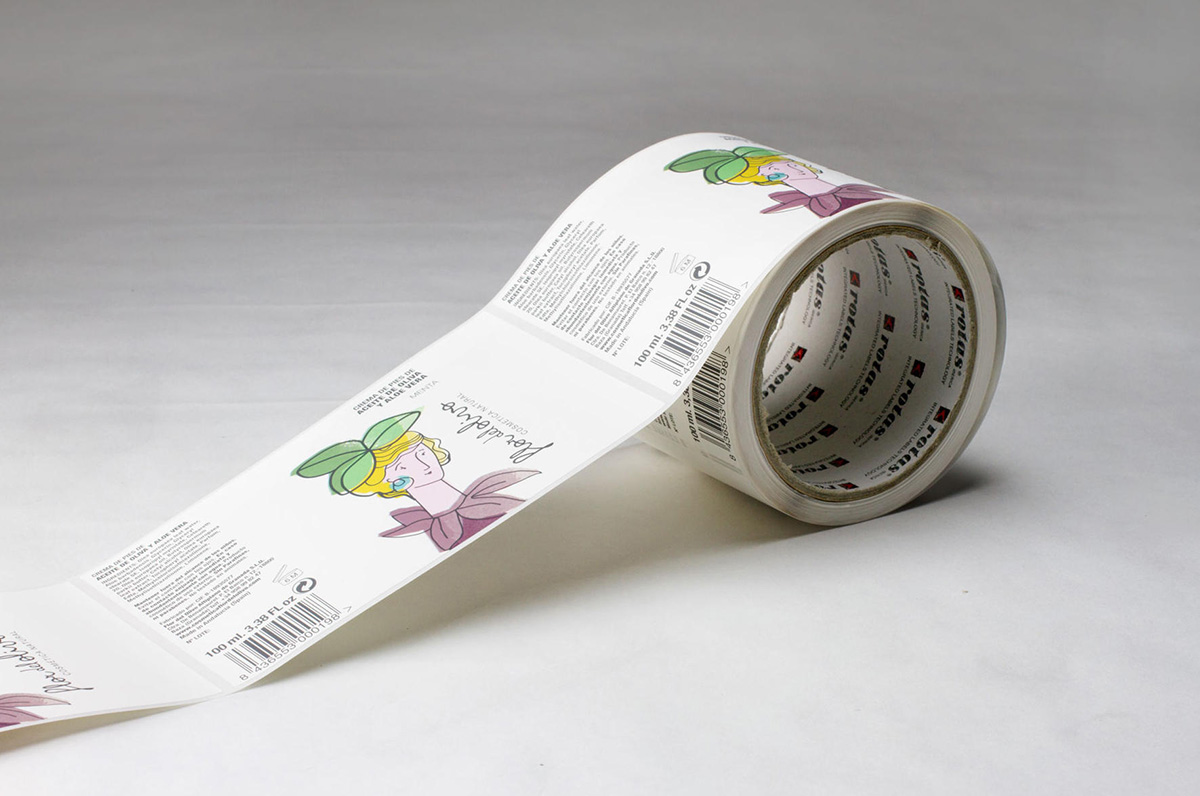
I. Production Process of Self-adhesive Anti-counterfeiting Labels
1. Material Preparation: The production of self-adhesive anti-counterfeiting labels requires the use of high-quality materials, including self-adhesive materials, backing adhesives, and laminating materials. The selection of these materials is crucial to the quality and anti-counterfeiting effect of the labels.
2. Design and Printing: Before producing self-adhesive anti-counterfeiting labels, design and printing work is required. Designers create unique label patterns and anti-counterfeiting elements based on customer needs and product characteristics. During the printing process, advanced printing equipment and technology are used to ensure the clarity of the patterns and the vibrancy of the colors.
3. Production and Slitting: After printing, the printed materials need to be produced and slitting. During the manufacturing process, self-adhesive material is laminated with backing adhesive to form the basic structure of the self-adhesive label. During slitting, the label material is cut into the appropriate shape and size according to customer requirements and label dimensions.
4. Post-printing processing: Post-printing processing is a crucial step in the production of self-adhesive anti-counterfeiting labels. Through processes such as lamination, die-cutting, and hot stamping, the label’s texture and anti-counterfeiting effect are enhanced. Secondary processing can also be performed as needed, such as inkjet printing and labeling, increasing the label’s functionality.
II. Advantages of Self-Adhesive Anti-counterfeiting Labels
1. High Anti-counterfeiting Capability: Self-adhesive anti-counterfeiting labels employ multiple anti-counterfeiting technologies, such as invisible ink, infrared anti-counterfeiting, and laser engraving, effectively preventing the circulation of counterfeit products and the emergence of fakes. These anti-counterfeiting technologies are difficult to imitate, improving product security and brand image.
2. Easy to Apply: Applying self-adhesive anti-counterfeiting labels is very convenient; simply affix the label to the product packaging. No additional equipment or professional knowledge is required, making it suitable for various industries and businesses of all sizes.
3. High Information Capacity: Self-adhesive anti-counterfeiting labels can carry a wealth of information, such as the product’s production date, batch number, and traceability information. Consumers can obtain detailed product information by scanning the QR code or barcode on the label, increasing product transparency and trust.
4. Enhanced Brand Image: The design of self-adhesive anti-counterfeiting labels printing can be customized according to a company’s brand image, making the product more recognizable and aesthetically pleasing. Unique patterns and anti-counterfeiting elements on the label can increase the product’s added value, enhance brand image, and improve market competitiveness.
Conclusion: As an important anti-counterfeiting method, self-adhesive anti-counterfeiting labels have advantages such as high anti-counterfeiting capability, ease of application, high information capacity, and the ability to enhance brand image. Through reasonable production processes and design, self-adhesive anti-counterfeiting labels can provide companies with effective product protection and brand promotion. In today’s fierce market competition, companies should actively adopt self-adhesive anti-counterfeiting label technology to improve product security and market competitiveness.