
Greeting cards are a traditional way to express emotions and convey blessings, playing an important role on holidays, birthdays, and anniversaries. However, how do you create a truly touching greeting card? This article will explore greeting card making techniques in detail, from design conception and material selection to production steps and personalization, providing a comprehensive guide for readers. Through the final summary, we hope to guide readers to better utilize these techniques to create unique greeting cards.
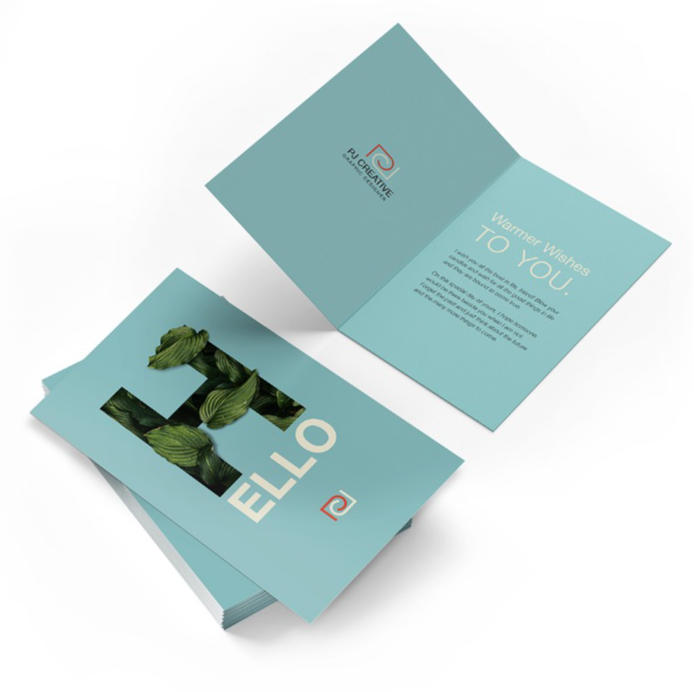
1. Design Conception
Design conception is the first step in making a greeting card printing. First, start with the theme, clarifying the purpose and target audience of the card—is it for a birthday, holiday, or special anniversary? Thinking about this will help in choosing a better theme and style. Second, incorporate personal elements to make the card more personalized. By understanding the recipient’s preferences and interests, you can add special designs, such as hobbies, colors, or favorite patterns, to enhance the card’s exclusivity. The final step is sketching. Before starting to make the card, sketch out its basic outline with paper and pen, including cover design and content layout. This will greatly improve the efficiency of subsequent production.
2. Material Selection
Material selection is a crucial factor in the success of a greeting card. Choosing the right paper is crucial, as different paper textures and thicknesses affect the card’s feel and durability. Specialty papers, such as pearlescent or textured paper, can add a touch of luxury. Beyond the paper, consider decorative materials like colored pens, glitter, ribbons, and stickers, which can greatly enhance the card’s appeal. When selecting these materials, strive for a unified style to avoid a cluttered look. Additionally, environmentally friendly materials such as recycled paper and natural dyes are a good choice, offering uniqueness while reflecting environmental awareness.
3. Production Steps
Making a greeting card requires following a specific process. First, cut the card onto the selected paper based on the design sketch. Measure carefully to ensure the card’s dimensions match the design. Next is the cover decoration, using colors and patterns to express the theme of the design concept. This can be achieved through hand-painting, watercolor, or stickers. Finally, for the content, when writing your message, pay attention to the layout and balance of the text. It’s best to first sketch with a pencil and then write with a pen once satisfied.
4. Personalization
To make the greeting card more meaningful, personalization is an indispensable step. Adding the recipient’s name or a special anniversary can enhance the personalization of your greeting card. Furthermore, incorporating DIY elements, such as origami or puzzles, allows the recipient to participate and adds an extra layer of surprise and fun. Finally, consider adding a personal photo or handmade stamp; these elements significantly enhance the emotional value of the card.
5. Conclusion
Creating greeting cards is not only a skill-based activity but also requires a fusion of heart and creativity. Through this article, readers should have grasped the basic techniques. To further improve the quality of your greeting cards。