
Greeting cards emphasize exquisite design, which requires a harmonious blend of design and printing. Below, JinYin will introduce the greeting card printing process to give you a basic understanding of greeting card printing and show you how each beautiful greeting card is made.
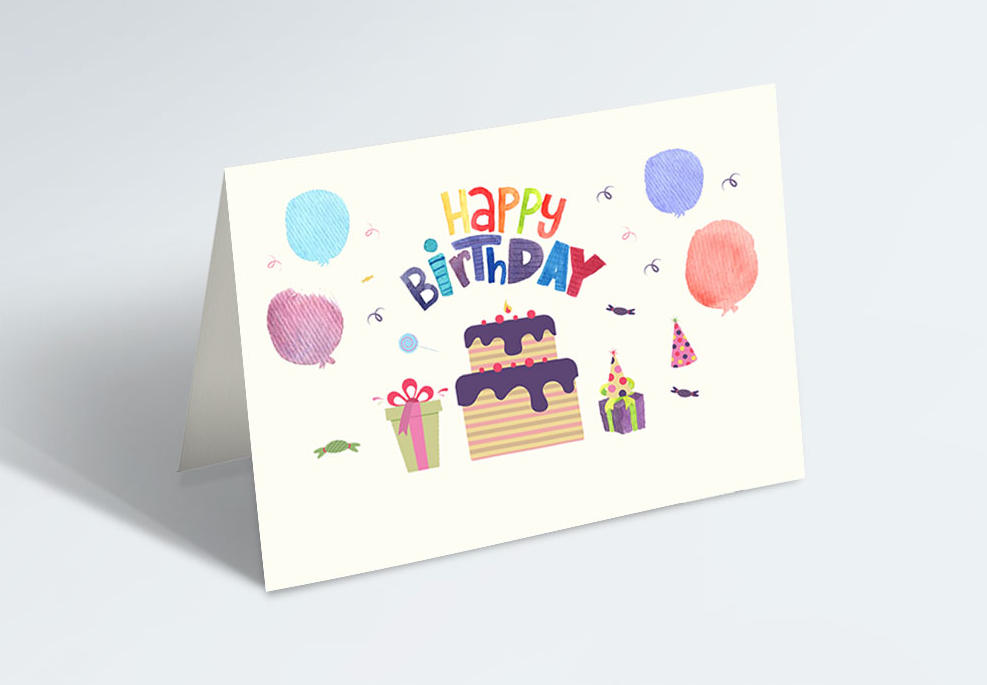
The greeting card printing process combines almost all printing techniques, including offset printing, screen printing, hot stamping, embossing, gold sprinkling, and spot UV coating, to enhance the visual artistic effect. Greeting cards sold to the European and American markets, in particular, utilize a wide variety of printing techniques, adding various small decorative accessories to make ordinary greeting cards more unique.
Below are some key greeting card printing techniques:
1. For greeting card printing, it is recommended to use warm and soft images, printed on 300g white cardstock, and affix sparkling simulated crystals to the card for a strong visual impact. Customization is available based on the overall style of the card and the color scheme of the affixing areas.
2. Greeting cards can be printed with two layers: the first layer is film, and the second layer is white cardstock. UV printing is typically used for film printing. A layer of white ink is printed as a base layer in the appropriate locations, and this white ink is printed as the last color. The printing and positioning requirements for this type of product are very high, involving multiple processes such as hot stamping, front card printing, back card printing, and eyeletting. Utilizing the transparency of the film, some of the patterns on the back card are visible through it; because the film has a layer of transparent ink, it can create different colors when superimposed on the underlying pattern; the edges of the second layer are hot stamped with laser holographic silver foil, which, when superimposed on the first card, creates a laser holographic gold effect. A cartoon image is also added to the first layer of film, making this unique greeting card a collector’s item.
3. Applying gold dusting to greeting card decoration makes the card sparkle and creates a strong visual effect. One method is to mix gold powder with varnish and then screen print it directly onto the card surface; another method is to first screen print varnish and then use a gold dusting device to sprinkle gold powder onto it. The first method produces a less sparkly effect than the second, but it has better adhesion. The key to this process is that the color of the gold powder must coordinate with the overall color scheme of the surrounding area. The gold powder and varnish used for sprinkling must have strong adhesion; otherwise, the greeting card will end up with an awkward mess of gold powder scattered everywhere!
4. Decorating the greeting card with small silk flowers or ribbons can make it more lively, elegant, and sophisticated. However, pay attention to the color matching between the silk material and the greeting card, and be careful not to let the glue overflow when applying the decorations, otherwise it will greatly diminish the card’s beauty.
The above is an introduction to the greeting card printing process. If you also need to print greeting cards in large quantities, please contact REENYOUNG Greeting Card Printing. We will provide you with the most satisfactory printing services!